
MP3, short for MPEG-1 Audio Layer 3, is a popular digital audio format that revolutionized the way we listen to music. Developed in the late 1980s, MP3 significantly reduced the file size of digital audio recordings without sacrificing audio quality, making it easier to store and share music files online. This compression technology allowed music lovers to create digital music playlists and share them through file-sharing platforms, paving the way for the digital music revolution.
With the rise of MP3 players and online music streaming services, MP3 quickly became the preferred format for digital music consumption. Its widespread adoption led to the decline of physical music formats like CDs and cassettes, as consumers embraced the convenience and portability of MP3 files. Today, MP3 remains one of the most widely used audio formats in the world, continuing to shape the way we experience and consume music in the digital age.
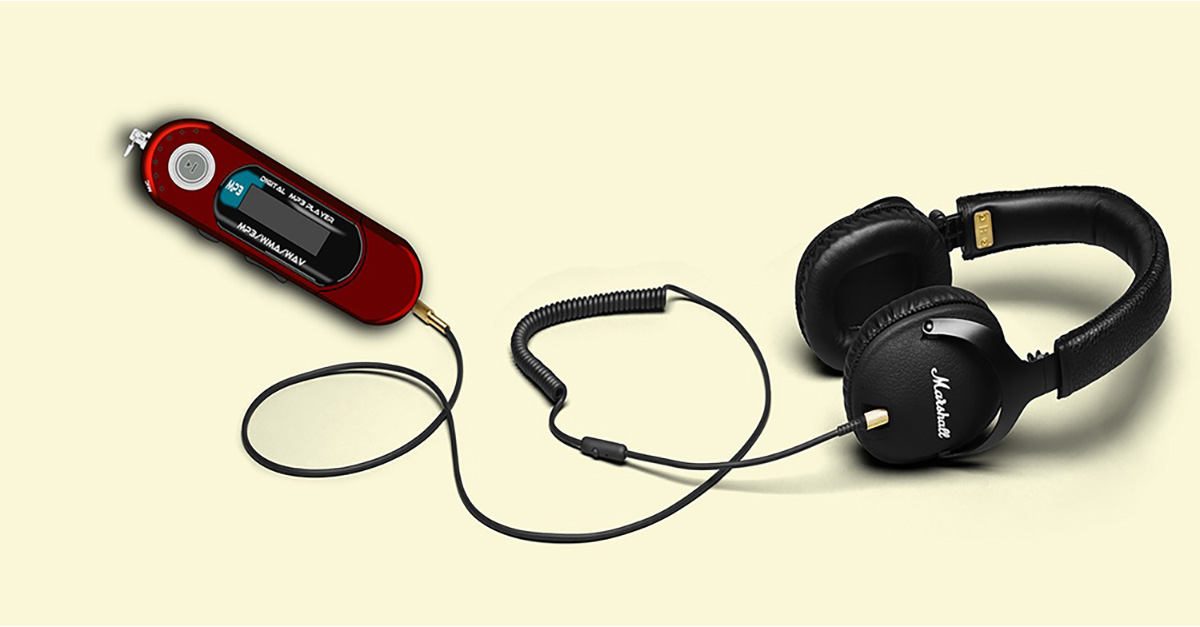
The Rise of MP3 Players and Online Music Streaming Services
With the rise of MP3 players and online music streaming services, the convenience of accessing a vast library of music with just a few clicks became a reality for music enthusiasts worldwide. Platforms like Spotify, Apple Music, and mp3 juice offered users the ability to stream high-quality music on various devices, eliminating the need for physical storage space and making music more accessible than ever before. This shift in music consumption habits not only transformed the way we listen to music but also paved the way for new business models in the music industry.
The Continuing Impact of MP3 in the Digital Age
Today, MP3 continues to play a significant role in how we experience and consume music in the digital age. While newer audio formats have emerged, MP3 remains a popular choice for its compatibility with a wide range of devices and its efficient file size. Whether you’re listening to your favorite songs on your smartphone, tablet, or laptop, chances are you’re still enjoying them in the MP3 format. The legacy of MP3 lives on, shaping the digital music landscape and influencing how we interact with music in our everyday lives.
Despite its age, MP3 has retained its relevance and continues to be a cornerstone of the digital music industry. Its impact on the way we listen to and share music cannot be understated, as it has paved the way for the streaming services and digital platforms that dominate the market today. As technology evolves and new formats emerge, MP3 remains a constant presence, demonstrating its enduring appeal and versatility. The legacy of MP3 is undeniable, shaping the digital music landscape and influencing how we interact with music in our everyday lives.
Leave a Reply