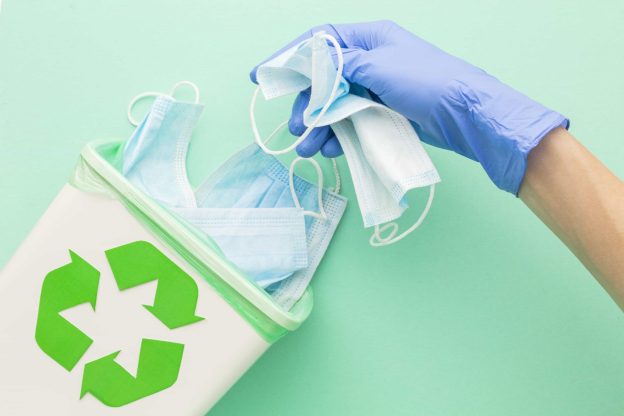
Medical waste disposal is a critical issue that affects not only the healthcare industry but also the environment and public health. As advancements in medical technology continue to improve patient care, the amount of medical waste generated is also on the rise. It is imperative to have proper protocols and systems in place to handle and dispose of medical waste safely and efficiently.
Medical waste includes various types of materials such as sharps, infectious waste, pharmaceuticals, chemicals, and radioactive materials. Improper disposal can lead to serious consequences, including the spread of diseases, contamination of water sources, and harm to wildlife. Therefore, it is crucial for healthcare facilities and professionals to understand the importance of following proper guidelines and regulations for the disposal of medical waste. This article will explore the different methods and technologies available for medical waste disposal, as well as the challenges faced in ensuring its safe management.
Methods for Medical Waste Disposal
There are several methods and technologies available for the disposal of medical waste. One common method is incineration, which involves burning the waste at high temperatures to eliminate pathogens and reduce the volume of waste. Incineration is effective in destroying infectious materials and sharps, but it can release harmful emissions into the air if not properly controlled.
Another method is autoclaving, a process that uses steam and pressure to sterilize the waste. Autoclaves are able to penetrate different types of waste, including contaminated fabrics and plastic materials, ensuring proper disinfection. However, autoclaving may not be suitable for all types of medical waste, such as chemical or radioactive materials, which require more specialized disposal methods.
Hazardous waste disposal Dallas companies offer services specifically tailored to the safe management of medical waste. These companies adhere to strict regulations and guidelines to ensure proper handling, transportation, treatment, and disposal of hazardous materials. By utilizing their expertise and specialized equipment, healthcare facilities can effectively manage their medical waste while minimizing risk to the environment and public health.
Challenges in Medical Waste Disposal
While there are various methods available for medical waste disposal, there are also unique challenges that must be addressed. One challenge is the proper segregation and identification of different types of medical waste. It is crucial for healthcare professionals to correctly classify and separate waste materials to prevent cross-contamination and ensure appropriate treatment.
Another challenge is the increasing volume of medical waste generated due to advancements in medical technology. As new treatments and procedures are developed, more waste is produced, requiring efficient and sustainable disposal solutions. Additionally, there are regulatory challenges that healthcare facilities must navigate to ensure compliance with local, state, and federal regulations for medical waste disposal.
Overall, medical waste disposal is a complex issue that requires careful consideration and adherence to proper protocols. It is essential for healthcare facilities and professionals to recognize the importance of following guidelines for the safe and efficient disposal of medical waste. Methods such as incineration and autoclaving offer effective ways to eliminate pathogens and sterilize waste, but they also come with their own challenges. Hazardous waste disposal companies can provide specialized services to ensure compliance with regulations and minimize risk to the environment and public health. Addressing challenges such as proper waste segregation, increasing waste volume, and regulatory compliance is crucial in managing medical waste effectively. By doing so, we can mitigate the potential negative impacts on the environment and public health while ensuring the highest standards of patient care.
Leave a Reply