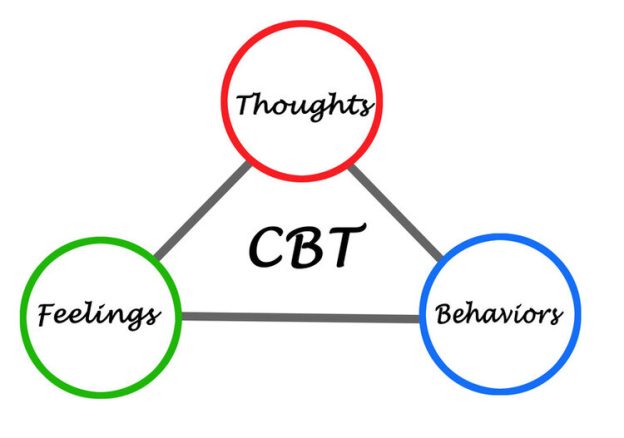
Cognitive Behavioral Therapy (CBT) is a widely-used and effective form of psychotherapy that focuses on changing negative thought patterns and behaviors. It is based on the idea that our thoughts, feelings, and behaviors are interconnected, and that by changing our thoughts, we can change how we feel and behave. CBT is a structured, goal-oriented therapy that helps individuals identify and challenge their negative beliefs and develop more positive coping skills.
CBT has been shown to be effective in treating a variety of mental health conditions, including anxiety disorders, depression, PTSD, OCD, and addiction. It is often used in conjunction with medication or other forms of therapy to provide a comprehensive treatment plan. By teaching individuals how to recognize and change their negative thought patterns, CBT can help them break free from destructive behaviors and improve their overall mental well-being.
The Effectiveness of CBT in Treating Mental Health Conditions
Research has consistently shown the effectiveness of Cognitive Behavioral Therapy in treating various mental health conditions. Whether it is anxiety disorders, depression, PTSD, OCD, or addiction, CBT has proven to be a valuable tool in helping individuals overcome these challenges. By targeting negative thought patterns and behaviors, CBT equips individuals with the necessary skills to manage their symptoms and improve their quality of life. For those looking for a reputable provider of CBT therapy, consider reaching out to Midwest CBT for professional and personalized treatment.

Combining CBT with Other Therapies for Comprehensive Treatment
Cognitive Behavioral Therapy is often used in conjunction with medication or other forms of therapy to provide a comprehensive treatment plan for individuals dealing with mental health issues. By incorporating multiple approaches, such as medication management and talk therapy, patients can receive holistic care that addresses their unique needs. When seeking treatment that goes beyond symptom management and focuses on long-term well-being, exploring the benefits of Midwest CBT may be the first step towards lasting healing and growth.
In conclusion, Cognitive Behavioral Therapy (CBT) has been proven to be a highly effective form of psychotherapy for treating various mental health conditions. By targeting negative thought patterns and behaviors, individuals can learn to challenge their beliefs and develop positive coping skills to improve their overall well-being. When combined with medication or other therapies, CBT offers a comprehensive treatment plan that addresses the unique needs of each individual. For those seeking professional and personalized CBT therapy, consulting with a reputable provider like Midwest CBT may be key to long-term healing and growth.
Leave a Reply