Espresso machines have revolutionized the world of coffee, offering coffee lovers a perfect balance of bold yet smooth flavors. These remarkable devices are capable of creating an exceptional cup of espresso in the comfort of your own home or at your favorite café. Whether you are a seasoned barista or an aspiring coffee enthusiast, understanding the inner workings and different types of espresso machines can significantly enhance your coffee-drinking experience.
Throughout history, espresso machines have evolved from simple steam-powered contraptions to sophisticated appliances that utilize advanced brewing techniques. From manual lever machines to semi-automatic and fully automatic models, each type brings its own unique benefits and features. In this article, we will delve into the world of espresso machines, exploring their history, functions, and various types available. So, grab your favorite mug and get ready to embark on a journey through the fascinating universe of espresso making!
Is an Espresso Coffee Machine Worth It?
An espresso coffee machine can be a worthwhile investment for coffee lovers who enjoy the rich and intense flavors of espresso. With an espresso machine, you have the ability to create barista-quality coffee drinks right in your own home. Whether you prefer a strong shot of espresso on its own or enjoy lattes and cappuccinos, having a coffee machine gives you the flexibility to make your favorite drinks whenever you want.
One of the main benefits of owning an espresso coffee machine is the cost savings over time. While purchasing a high-quality machine can be initially expensive, it quickly pays for itself when you consider the amount of money you would spend on daily trips to a coffee shop. Instead, you can enjoy café-style beverages from the comfort of your home at a fraction of the cost. Plus, it allows you to experiment with different beans and brewing methods, giving you endless opportunities to customize your coffee experience.
In addition to the cost savings, owning an espresso coffee machine can also enhance your overall coffee-drinking experience. By having control over the brewing process, you can perfectly extract the flavors and aromas from your favorite coffee beans, creating a personalized and satisfying cup of espresso every time. There is also a certain joy and satisfaction that comes from mastering the art of espresso making, as you learn to skillfully control variables such as grind size, water temperature, and extraction time. Furthermore, having an espresso machine at home allows you to entertain guests and impress them with your barista skills, elevating any gathering or social occasion. So, if you are a true coffee lover seeking to elevate your morning routine or simply enjoy a café-worthy cup of espresso at any time of day, investing in an espresso machine is definitely worth it.

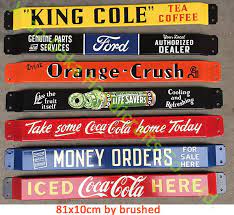
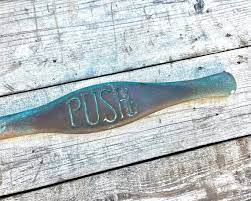 Door Pushes: Adding a Vintage Touch to Your Entryway
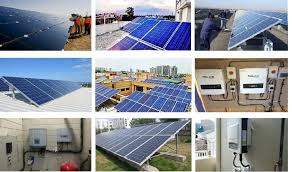
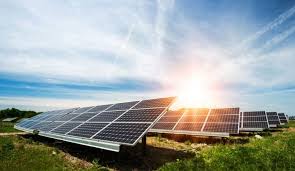 Best Practices for Solar Installation and Maintenance