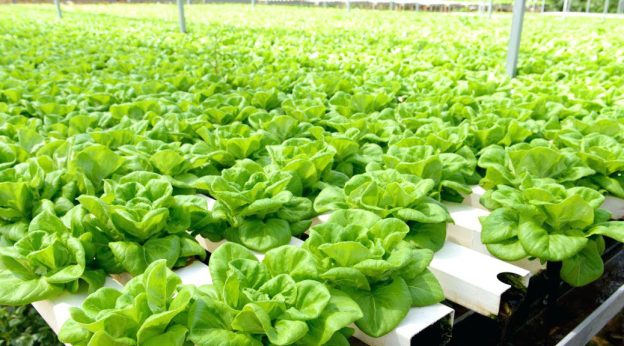
Germinating seeds is the initial step in the hydroponic cultivation journey. It’s the process by which seeds sprout and develop into young seedlings that can be transplanted into a hydroponic system. In this 800-word blog post, we’ll explore the significance of seed germination in hydroponics, the best practices for successful germination, and how to ensure your young plants get the healthy start they need. For more information regarding hydroponic plant one can visit our site https://hydroponicglobal.com.au/.
The Significance of Seed Germination in Hydroponics:
Seed germination is a critical phase in hydroponics because it sets the stage for a successful crop. Here’s why it’s so significant:
1. Healthy Starts: Germinating seeds ensures that your plants start life in a clean, controlled environment free from soil-borne diseases and pests.
2. Uniform Growth: Starting with seeds allows for more uniform plant growth compared to using pre-grown seedlings, resulting in more predictable and efficient crop management.
3. Varietal Selection: Germinating seeds allows you to choose specific crop varieties best suited for your hydroponic system, goals, and market demand.
Best Practices for Seed Germination in Hydroponics:
Achieving successful seed germination in hydroponics requires attention to detail and proper techniques. Follow these best practices to ensure your seeds sprout and develop into healthy seedlings:
1. Select High-Quality Seeds: Start with high-quality seeds from reputable sources. Check the seed packaging for expiration dates and ensure they’re suitable for hydroponic cultivation.
2. Choose a Germination Medium: Select an appropriate germination medium for hydroponics, such as rockwool cubes, peat plugs, or seedling trays with a soilless mix. Ensure the medium is clean and free of contaminants.
3. Pre-Hydrate the Medium: Before sowing, ensure that the germination medium is adequately hydrated. Follow the manufacturer’s instructions to achieve the right moisture level.
4. Sow Seeds at the Right Depth: Plant seeds at the recommended depth for the specific crop. Generally, seeds are planted at a depth equal to their diameter.
5. Provide Adequate Moisture: Maintain consistent moisture levels in the germination medium. Avoid overwatering, which can lead to fungal issues, and ensure that the medium never dries out completely.
6. Maintain Proper Temperature: Maintain a stable temperature within the recommended range for your seeds. This often involves providing gentle bottom heat or using a germination heat mat.
7. Cover or Enclose: Some growers use clear plastic domes or covers to create a humid environment around the seeds, promoting germination. Ensure good airflow to prevent mold growth.
8. Light or Darkness: Some seeds require light to germinate, while others prefer darkness. Follow the specific instructions for your chosen crop.
9. Ventilation: Adequate ventilation is crucial to prevent mold or fungal issues. If using covers, ensure there’s ventilation to allow air exchange.
10. Label and Track: Label your germination containers with the crop type and date of planting. This helps you keep track of each batch.
11. Monitor Progress: Check daily for germination progress. As soon as seeds have sprouted and developed their first set of true leaves, they’re ready for transplanting.
Transplanting Seedlings:
Once your seeds have germinated into healthy seedlings, they’re ready for transplanting into your main hydroponic system. Handle them carefully to avoid damaging the tender roots and stems. Ensure that the main hydroponic system is prepared with the appropriate nutrient solution and environmental conditions to support the newly transplanted seedlings.
The Role of Proper Germination in Hydroponics:
Successful seed germination sets the stage for a productive hydroponic garden:
1. Uniform Growth: Germinating seeds ensures uniformity in your crop, making it easier to manage and harvest.
2. Disease Prevention: Soilless germination reduces the risk of soil-borne diseases, providing a healthier start for your plants.
3. Crop Variety: Germinating seeds allows you to choose specific crop varieties that suit your hydroponic system and market demands.
4. Cost-Efficiency: Starting with seeds is often more cost-effective than purchasing pre-grown seedlings.
Conclusion:
Seed germination is a vital starting point for hydroponic growers seeking healthy and productive crops. By following best practices and maintaining the right environmental conditions, you can ensure that your seeds sprout and develop into robust seedlings ready for transplanting into your hydroponic system. Mastery of seed germination is a fundamental skill for hydroponic gardeners aiming for success in soilless crop cultivation.
Leave a Reply